As we look forward to more groundbreaking scientific discoveries that will benefit humanity. One leader who exemplifies a visionary mindset is Dr. David Dodick. A pioneer in neurology, Dr. Dodick is working tirelessly to combat what he calls the health crisis of our time: brain disease.
As chair of the American Brain Foundation; chief science officer and co-chair of the Atria Academy of Science and Medicine; and a professor at the Mayo Clinic, University of Copenhagen and the Norwegian University of Science and Technology, Dr. Dodick is devoted to harnessing the latest technology to improve brain health. If we come together and take advantage of all of the currently available tools, Dr. Dodick says we can not only prevent, but eliminate, some of the most terrible diseases people face.
This conversation is insightful reading for anyone with a loved one losing their memory or who wants to enhance cognitive performance and mental health today.
Co-chair of the Atria Academy of Science and Medicine; and a professor at the Mayo Clinic, University of Copenhagen and the Norwegian University of Science and Technology, Dr. Dodick is devoted to harnessing the latest technology to improve brain health. If we come together and take advantage of all of the currently available tools, Dr. Dodick says we can not only prevent, but eliminate, some of the most terrible diseases people face.
This conversation is insightful reading for anyone with a loved one losing their memory or who wants to enhance cognitive performance and mental health today.
A conversation with Dr. David Dodick
As human lifespan extends, it comes with an unintended side effect: age-related brain disease. One of the leading causes of death and disability worldwide, brain disease increasingly affects people as they age and devastates millions of families each year.
This brain health crisis may seem overwhelming, but according to neurologist Dr. David Dodick, there are many reasons to be hopeful. By focusing on scale, resources and access, Dr. Dodick says there is no reason that we cannot optimize brain health for all. With brain health comes emotional resiliency, cognitive performance and a longer, happy life, so it’s crucial for everyone to take it seriously. For exactly how to do so, read on.
What initially spurred your interest in neurology and brain health?
In medical school, I developed an insatiable curiosity about the brain, the most complex structure in the known universe. Cardiology, nephrology and respirology were interesting, but the brain was beyond fascinating—no less than what defines each of us. It seemed like an untouched frontier. That curiosity motivated me to try to uncover the brain’s hidden secrets. And in doing so, we could alleviate suffering from some of the most devastating conditions that affect 1 in every 3 people.
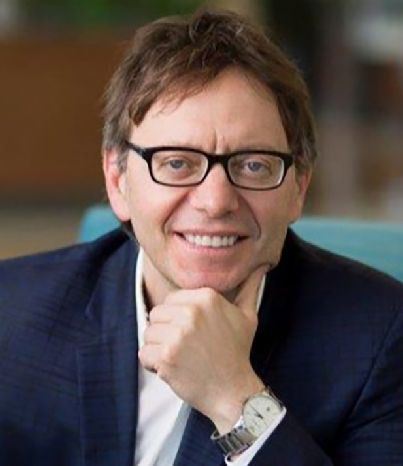
David Dodick, MD, Chair, American Brain Foundation; Chief Science Officer and Co- Chair, Atria Academy of Science and Medicine; Professor Emeritus, Mayo Clinic; Affiliate Professor, Department of Neurosciences, University of Copenhagen; Guest Professor, Department of Neurosciences, Norwegian University of Science and Technology
Studying the brain can be intimidating, but I was inspired by a neurologist, Professor Allan Purdy, who made learning about it captivating. I followed him around the hospital, read more about neurology and evaluated as many patients as I could to improve my ability to do neurological examinations. My interest in brain health came later. The realization that neurodegenerative diseases like Alzheimer’s and Parkinson’s actually begin years to decades prior to symptoms developing opens a window for early treatment to delay or prevent disease onset.
About 80% of stroke, 40% of dementia and 30% of epilepsy cases are preventable. If optimizing brain health also enhances our cognitive performance and emotional resilience, this is an unprecedented time for clinicians and researchers interested in the brain.
Only recently did technology evolve enough to accurately and quantifiably measure and monitor the health, age and functional performance of the brain. We can now show patients their brain health “report card,” saying: “You have a B on your brain health right now. If we make these changes, let’s measure your score in 6 months.”
If they see improvement from a B to an A-, patients will be empowered to continue to apply interventions, whether they are behavioral, lifestyle, medicinal or nondrug therapies.
The opportunity to optimize brain health by objectively monitoring improvement and being able to show that to a patient made me double down and shift my career focus around preventive neurology.
What are the health care and disability burdens of brain diseases in the United States and globally? How costly and urgent is this crisis related to brain health?
The brain health crisis is and will continue to be the health crisis of our time. Neurological diseases are the world’s leading cause of lost years of healthy life due to disability and the second leading cause of death.
In 2017, nearly 60% of the U.S. population was afflicted by a brain disorder. Globally, 1 in 3 people is affected by brain disease. Almost no one escapes the impact of neurological disease, whether it’s directly, where you are affected, or indirectly, where a loved one, family member or friend is impacted.
The burden on individuals, families, caregivers and society as a whole is enormous. Globally, poor brain health costs us about 2.5 trillion U.S. dollars per year in terms of lost productivity. Dementia alone is thought to cost about 1.5% of the world’s gross domestic product (~1.3 trillion U.S. dollars).
Despite improvements in the prevention and treatment of some neurological disorders, worldwide deaths and disability increased by about 40% and 15% respectively over the last 30 years.
There are many reasons for this. Chief among them is that we are living longer. The most disabling and fatal neurological diseases, such as stroke, dementia, Alzheimer’s disease and Parkinson’s disease, occur with advancing age. By 2050, more than 2 billion people will be over the age of 60. When you couple that with unhealthy lifestyles like lack of exercise, poor diet, food insecurity, obesity and sleep deprivation, brain diseases will continue to escalate.
We are still in a global pandemic, and we are only scratching the surface right now on the long-term neurological consequences of COVID-19. Currently, about a third of people who have had COVID-19 suffer from one or more neurological sequelae, and the incidence of Alzheimer’s and dementia-related deaths increased by about 17% in 2020. Recent research shows that people over 65 who had COVID-19 had as much as 50% to 80% higher risk of developing Alzheimer’s disease within a year.
There are also natural disasters, environmental crises and armed conflict, where head trauma, psychosocial stress, displacement, economic restrictions and consequences of war profoundly impact brain and mental health. To make the situation more daunting, 70% of the burden of brain diseases disproportionately affects people living in low- and middle-income countries, where 85% of the world’s population resides and where most of the population growth is occurring.
Healthcare resources are shifting towards acute and critical care leaving reduced resources for neurological patients and clinicians in a quandary trying to deliver education and preventive care that will optimize brain health. All of this contributes to a massive long-term healthcare burden.
You have described that we are at a technological “inflection point” in neurology. What diagnostic tools can now detect those at risk of developing a neurodegenerative disease? Why are these technological advancements so pivotal?
Steve Jobs once said that the biggest innovations of the 21st century will be at the intersection of biology and technology. I believe we are at that inflection point. We now have the diagnostic technology to identify people at risk of brain disease years before the onset of symptoms. If we know who is at risk, we can educate, counsel, incentivize and motivate patients to deploy effective behavioral and lifestyle modifications and therapies to prevent the disease from appearing, delay the onset or attenuate the severity and optimize the health and performance of the brain.
Knowing the risk—not necessarily whether or not someone has the disease—allows us to optimize the health and performance of the brain by using current technologies and treatment, deploying effective lifestyle and behavioral modifications and allows the patient to initiate disease-modifying treatments as they become available.
If we know someone is at risk, we can also enroll them in clinical trials that are testing novel drugs aimed at preventing the disease or delaying the onset of symptoms in an effort to enhance their healthspan … and, frankly, brainspan. Tens of billions of dollars have already been spent on finding a therapy for Alzheimer’s disease. While the U.S. Food and Drug Administration (FDA) recently approved a new treatment, its therapeutic effect appears to be very modest, and it does not reverse the disease or enhance cognitive function. Fortunately, another treatment with less potential for serious adverse events and that appears to reduce progression when started early after disease onset was just approved by the FDA. Based on prior failures and promising results of early treatment, more clinical trials are shifting to identify people at risk and reach them before they develop symptoms.
“Optimizing the health and performance of the brain is not only tangible but measurable.”
We do this through a variety of tests that measure the speed and efficiency with which circuits in the brain process information and perform their functions, such as executing a task; recalling words and pictures and being able to visually scan, read, speak, smell, walk, move. We can measure the structural integrity and age of the brain; the size of crucial structures in the brain; the extent to which blood, nutrients and oxygen are being supplied to the brain and determine the cellular and molecular health of the brain by running tests in the blood and other bodily fluids.
What are the emerging technologies that may transform how we treat neurological problems in the future?
With these advances in diagnostic technology, we are ushering in a new era of personalized, precision brain health care that is based on an understanding of individual risks at genetic, molecular, cellular and physiological levels.
For example, since 2016, two new antisense oligonucleotide-mediated therapies (ASOs) were approved by the FDA for the treatment of Duchenne muscular dystrophy and spinal muscular atrophy—previously incurable childhood degenerative neurological disorders. These ASOs showed remarkable efficacy by providing the most direct therapeutic strategy for influencing gene expression. ASOs are now being developed for the treatment of other neurodegenerative diseases, neuromuscular diseases, Huntington’s disease, amyotrophic lateral sclerosis (ALS) and Alzheimer’s disease. The future looks very promising.
Cell-based therapies, including stem cell therapies, are also under investigation for neurological disorders. So are neuromodulation therapies that deploy electrical, magnetic, sound and light treatments. A new target is the modulation of the peripheral and resident immune cells and inflammatory pathways in the brain that can be toxic to brain cells. Targeting aged or senescent cells that appear to promote aging in general, and perhaps degenerative brain diseases in particular, is another very exciting avenue of investigation.
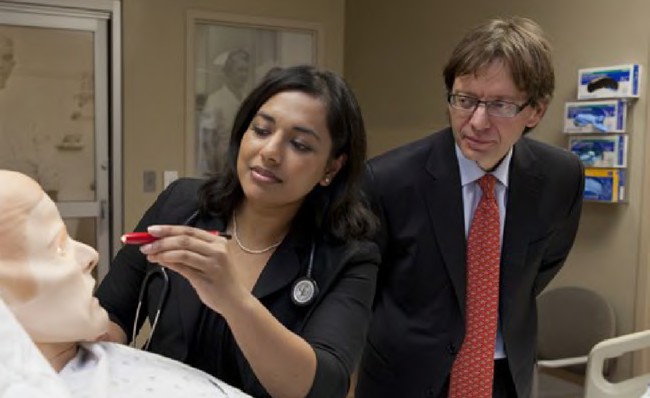
Dr. Dodick training clinicians in the hospital
There are biologics that clear pathological deposits of misfolded proteins and protein aggregates, such as amyloid and Tau, related to Alzheimer’s disease. They may prove effective if we can get them to people before the brain has been damaged beyond repair.
Finally, some remarkable, recent advances in treatments that can make obesity, type 2 diabetes, hypertension and dyslipidemia diseases of the past can also improve the vascular health of the brain. Since the health of the blood vessels that supply nutrients and oxygen to the brain is absolutely crucial for the optimal health and performance of the brain, and since an unhealthy vascular system is a major risk factor for stroke and dementia, we need to be squarely focused and vigilant about preventing and eliminating these diseases using the remarkable treatments available to us now, in addition to simple lifestyle modifications that we know are essential for good heart and brain health.
Given the current tools and technologies we should be able to not only prevent, but eliminate, the diseases that are significant risk factors for premature or accelerated aging of the brain as well as life-altering brain diseases.
I’m very bullish on the future. The major hurdles facing us are scale, resources and access, which have not kept pace with advances in science and medicine.
Can you walk us through the major determinants of brain health? Are there any practices people should implement into their daily lives, starting in the new year?
The major biological determinants of brain health are heart disease, kidney disease and risk factors for these diseases including diabetes, obesity, sleep disturbances, hypertension and hypercholesterolemia. The major lifestyle determinants of brain health are smoking, excess alcohol consumption, lack of physical activity, unhealthy diet, depression and major mood disorders, isolation and cognitive inactivity. Head trauma, especially activities that expose one to repeated hits to the head, can increase the risk of cognitive and psychiatric sequelae. Social determinants of brain health include education, food security, income and occupational status and environmental pollutants and particulates. These are all—to a lesser or greater extent—modifiable factors that make a meaningful difference.
While some of these determinants may not easily be within an individual’s control, some of the very important lifestyle and biological determinants are. Taking all of this into consideration, if you were to start off the new year with a resolution of taking the health of your brain seriously, you should speak to your healthcare provider and consider these steps.
Think “DASH:”
- D is for diet: Start with something that resembles the MIND diet. This diet includes:
- Weekly, >6 servings of leafy green vegetables, 5 servings of nuts, 3 servings of beans, 2 servings of poultry, 2 servings of berries and 1 serving of fish.
- Daily, 3 servings of whole grains and 1 serving of a non-green vegetable with olive oil.
- The MIND diet limits servings of red meat, sweets, cheese, butter/margarine and fast/fried foods.
- A is for activity—both physical and cognitive: Start or continue an aerobic and resistance exercise regimen. Cognitive exercise (learning a new skill such as a musical instrument or language), staying engaged with friends and family and managing stress (relaxation therapy, mindfulness or activities such as tai chi) are important for mental health, resiliency and brain health.
- S is for sleep: Get 7 to 9 hours of sleep per night, and if you’re having trouble falling and staying asleep, start with the 3-2-1 rule: no food or alcohol 3 hours before bedtime, no work 2 hours before bedtime and no screen time (phone, TV, computer) 1 hour before bedtime. If you’re still having trouble, seek the advice of your healthcare provider as there are plenty of other options to help you get the sleep necessary to sustain optimal brain health.
- H is for heart healthy: You must be “BOLD” about controlling cardiovascular risk factors.
- B is for blood pressure (BP): If you have elevated BP, treat it aggressively with a target BP of less than 120/80 for most people.
- O is for overweight or obesity: Lose weight if you are overweight (BMI 25-29.9 kg/m) or obese (BMI 30 kg/m). Weight loss medications may be very effective if diet and exercise have not been successful and your BMI is 30 kg/m or more, or if you have a weight-related complication (e.g., diabetes) and your BMI is between 27-29.9 kg/m.
- L is for lipids: Lower your LDL cholesterol to less than 100 mg/dL, and if you have additional cardiovascular risk factors, less than 70 mg/dL.
- D is for diabetes: Those with glucose intolerance should control blood sugar levels.
What are the barriers to solving the brain health crisis, especially in low- and middle-income countries where resources or access may be limited?
It is going to take all of us to fix this. By that I mean medical and public health experts, policymakers, governments, nonprofits, the private sector, academia as well as the pharmaceutical and biotech industries. We must work together to provide the education, training and resources to screen and implement healthy lifestyle and breakthrough life-saving and life-altering therapies. One example close to me is the recent launch of the Atria Health Collaborative, a non-profit public health foundation, that, within 12 months of formation, has awarded and partnered with other non-profit foundations and primary care centers that are making a real impact on the diagnosis and treatment of hypertension locally, nationally and globally. Not only is hypertension very common, affecting about 1.3 billion people around the world, it is a leading cause of premature death and a major cause of heart disease, stroke and dementia.
The fact that less than half are diagnosed and treated and only 1 in 5 are controlled, means that we can have a serious impact on brain health at a public health scale if we can increase the proportion of people with hypertension who are diagnosed, treated and controlled.
Here at the Atria Institute and the Atria Academy of Science and Medicine, one of our priorities is to create a book of modern medicine, make it available to both healthcare practitioners and the public, free of charge. We want to democratize information that is normally held behind subscription paywalls or firewalls within academia, professional societies and medical journals. If we have educational content created and updated by leading physicians and scientists, which translates science and medical advances into actionable and pragmatic recommendations, we can empower the public to act on their own behalf, and healthcare providers to act on their patients’ behalf and implement them into their daily lives and clinical practice, respectively.
What is your vision for preventive neurology and brain science? What changes are necessary to make this vision a reality?
First of all, my vision is an expansion of the research funding available to enable us to find cures for neurological disease.
As chair of the American Brain Foundation, I am exceedingly proud that this organization has funded over 300 young scientists over the past 30 years with about 30 million U.S. dollars. This seed funding has allowed more than 80% of these young scientists to secure funding from the U.S. National Institutes of Health (NIH) and/or foundations to pursue their careers as research scientists. While we feel energized about being able to support one to two dozen young scientists each year, many dozen brilliant proposals go unfunded due to lack of resources. That is one example of the brain health research funding gap that leads directly to a delay in discovery research, advances in treatment and the development of cures.
In addition to increasing the investment in research, we need to shift our focus to more proactive, preventive brain health care. We need to optimize the control or elimination of risk factors, implement simple measures we know that make a difference as a standard of care, use diagnostic tools to understand each person’s physiology with molecular precision and tailor both drug and nondrug therapies to improve an individual’s systemic and brain health. We must deploy technology that exists today to identify those with early but asymptomatic disease, including advanced screening protocols for cancer and heart disease, for example, that can save lives, as well as those at risk who may benefit from an intervention to delay or prevent the development of disease where possible, and where not possible, enroll them into clinical trials or initiate disease-specific therapies as they become available. Additionally, we need to utilize the plethora of remote technologies and digital health tools that empower patients and give clinicians the ability to track patients’ progress and correct course if necessary.
Health equity and the elimination of disparities in access to accurate information and care must be at the center of every healthcare discussion. I had the privilege last year to co-chair the World Federation of Neurology’s World Brain Day—an initiative that was dedicated to Brain Health for All. We were intentional and explicit that everyone deserves to be able to benefit from innovations in technology, advances in medicine and the opportunity to receive quality health care, and everyone should have access to the knowledge, resources and tools to optimize their brain health. Based on the success of this effort, brain health will continue to be the focus of World Brain Day campaigns. While there is much work to be done, it is highly encouraging to see a concerted effort to eliminate the inequities in healthcare access. This effort needs to be amplified, sustained and supported at every level of the healthcare system.
“I truly believe that we are going to see a shift in the way neurologists practice their craft.”
The World Health Organization’s landmark Intersectoral Global Action Plan approved in May 2022 requires each country to prioritize brain health and the prevention, treatment and rehabilitation of brain disease. So this will be a public health priority over the next decade and beyond.
There are not nearly enough neurologists to optimize the brain health of every individual. Brain health is so fundamental that it should be part of every undergraduate medical education curriculum and every clinician’s healthcare toolbox. Today, brain health is in many ways where heart health was several decades ago. As the importance of heart health and the field of preventive cardiology emerged, there has been a 50% reduction in cardiovascular mortality in the U.S. as a result of advances in biomedical and translational research, innovations in technology, public policy, public health campaigns and widespread deployment of best practice into primary care. I envision a similar but hopefully highly accelerated and equitable process to improve brain health globally.
I hope to see brain health as a priority earlier in and throughout life. How we care for a child’s brain can have lasting effects on their cognitive and emotional health as an adult. We should prioritize not only delaying and preventing disease, but also optimizing cognitive and emotional health during formative years, when young people are pursuing higher education, building careers and having families. I am confident we will be able to do so.
Currently, are there any central questions in brain science that, if answered, would have massive impacts on the field of preventive neurology?
There are a few. First: What are the fundamental mechanisms of aging and cellular senescence inside and outside the brain? If we understood those mechanisms, we could regulate that process, slow aging and delay many age- related diseases. So you would not just be living another 20 or 30 years, but you would extend your healthspan, or the years lived without disease or disability, and add two to three quality decades.
Second: What are the innate and adaptive immune system mechanisms that drive degeneration in the brain? There is a school of thought that degenerative brain diseases are due in part to the aberrant activation of different immune pathways that drive inflammation. Understanding these different pathways in general, and for individual diseases, is essential.
Third: How do we harness the brain’s adaptive and plastic capacity to overcome neurodevelopmental disorders early in life, and how do we enhance and optimize recovery from neurological injury such as stroke or traumatic brain injury? There is research underway evaluating a wide range of therapies including stem cell and other regenerative therapies, gene editing, virtual reality (VR), computer-based approaches, telerehabilitation and neuromodulation devices.
It is not just about preserving or optimizing brain health in healthy brains, but also in brains that have been impacted by disease or injury to restore neurological function so that people can live their most productive lives.
On World Brain Day last July, I watched healthcare practitioners around the world mobilize to raise awareness, provide education and say: “We are here to unite to prevent brain disease.”
As important as it is to educate and mobilize neurologists and all healthcare providers to practice preventive neurology, it is crucial that the public and patient communities are mobilized and activated. Because if 60% of the U.S. population has a brain disease or disorder, and we have 16,000 neurologists, the math doesn’t add up. If we could mobilize the public, NGOs, policymakers and clinical and scientific communities to come together to prevent brain disease, there is no question we can have a major impact.
We already have many tools to solve this problem today—they are just not widely and equitably distributed. If there is the collective will, and the global brain trust is properly resourced, there is seemingly no problem we cannot solve.
This interview has been edited for length and clarity.
If you have any questions or feedback, please contact: curalink@thecurafoundation.com
Newsletter created by health and science reporter and consulting producer for the Cura Foundation, Ali Pattillo, and associate director at the Cura Foundation, Svetlana Izrailova.