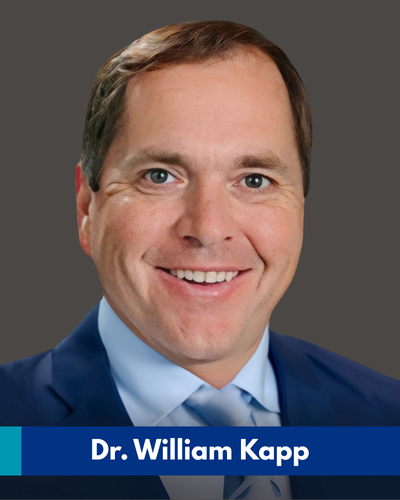

This month, we go deep into the potential transformation of the healthcare system with a focus on proactive prevention. Dr. William Kapp, CEO and co- founder of Fountain Life, shares with us how cutting-edge technology can be used to prevent and preempt disease with the ultimate goal of keeping patients healthy while reducing healthcare costs.
Dr. Kapp emphasized the importance of creating new models of care that focus on finding diseases far before they show any signs or symptoms and wreak havoc on our bodies. Dr. Kapp is an orthopedic surgeon and serial entrepreneur who has seen many facets of the healthcare business. His goal is to maximize health and vitality using advanced diagnostics to catch diseases before they manifest. Learn more from Dr. Kapp on how we can change the healthcare system from symptom suppression to proactive prevention.
A conversation with Dr. William Kapp
It’s no secret that problems run rampant across the U.S. healthcare system, which costs $4.45 trillion annually, a number that continues to grow. Americans owe a staggering $220 billion in medical debt; an estimated 250,000 people in the U.S. die every year from medical errors and about one in three physicians is experiencing burnout at any given time.
According to Dr. William (Bill) Kapp, CEO and co-founder of Fountain Life, it is time for a complete reorganization of our healthcare system so people don’t go bankrupt when accessing it. It all comes down to realigning the incentives for multiple stakeholders. Dr. Kapp and his team are developing the tools and bringing cutting-edge technology to consumers that will enable preventive, proactive and personalized care that will help people stay healthy, treat disease earlier in the process and become champions of their health.
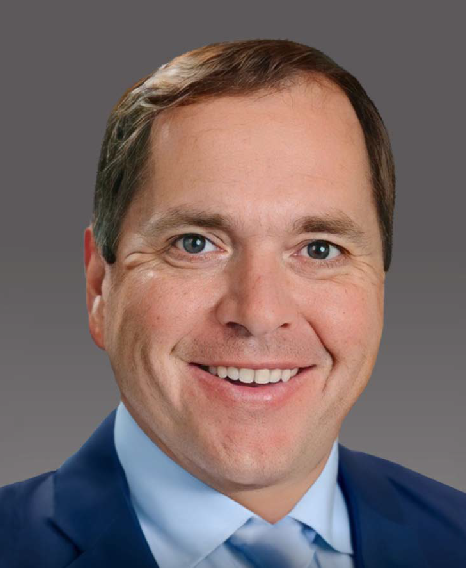
William Kapp, MD, Chief Executive Officer and Co-Founder, Fountain Life
What was the driving force for you to become a doctor and specialize in orthopedic surgery?
I have always been interested in science, sports, space and aviation. I was inspired to become a doctor by my uncle who went to the Emory School of Medicine at 17, graduated at 21 and started his private ophthalmology practice by 23. So, following in his footsteps, I went to medical school and concurrently got a master’s degree in organ transplantation. I wasn’t sure what I wanted to specialize in until I did a rotation in orthopedics at Baylor in Houston, and I fell in love with the field. It was technical, and you could fix things quickly. So I went for it.
What inspired you to go into the hospital business?
After a year of working in St. Louis, I was recruited to a smaller town in Missouri with a big catchment area called Cape Girardeau. The town had two 300-bed hospitals that used state-of-the-art equipment. The doctors and the hospitals provided great health care, but the local community paid through the nose for it.
I was always astounded by how much money people were charged for procedures. Patients would say: “I don’t understand why my bill is $80,000.” I would examine the bill and add up the costs of personnel time in the operating room, the facility, equipment, treatment, etc. My number didn’t come close. I didn’t understand it. The hospital business and the accounting around it are arcane. I became very frustrated and, eventually, began splitting my time between orthopedics and running a hospital group.
We built critical care hospitals, satellite clinics, a surgery center and an imaging center and lowered costs for patients in areas with limited access. Since we ran a for-profit hospital system, we paid taxes. But many of the big oligarchic hospital systems are non-profit organizations. They don’t pay property, sales, use, federal or state taxes. When they acquire a tax-paying physician-owned practice or surgery center, they stop paying taxes, too. I could see no reason why these medical groups would ever want to lower costs. They play a game of smoke and mirrors writing off bad debt and suggesting that Medicaid services were done for “free.” It doesn’t matter what system they are a part of, they are all part of the medical-industrial complex.
I have worked on lowering healthcare costs, creating low-cost hospitals and cheaper surgeries, because I am tired of the average American family being devastated by medical bills. When I was in practice, 50% of bankruptcies in the U.S. were due to medical debt. Today, that number is 65% and climbing. Doctors aren’t taking people to the poorhouse; it’s the hospital systems.
In the U.S., we spend 18% of our GDP, about $4.7 trillion, on health care.
“People talk about the military-industrial complex, which is a major issue. But, it is dwarfed by the medical-industrial complex.”
When did you begin to envision another way?
About eight years ago, I went to my first Exponential Medicine conference (xMed, now NextMed Health) hosted by Drs. Daniel Kraft and Peter Diamandis. Although I always thought orthopedics was cutting-edge, it wasn’t until I attended this conference that I realized how behind I was and how much advanced technology was either available or being developed to impact our health. For the first time, I could see the technology that could transform the healthcare system. Dr. Ray
Kurzweil’s idea of the exponentials of medicine was right on point. Medicine was going to dramatically change over the next two decades because of exponential growth in technology despite being a system traditionally resistant to change.
For years, when I came back from the event and shared the ideas presented like gene sequencing and the $100 genome, my colleagues would say: “What are you talking about? You’re crazy. Get back in there and see your orthopedic patients.”
At xMed, I felt like we were peering into a future even if nobody else seemed willing to grasp it. That experience permanently changed me. The convergence of fast-moving technologies such as low-cost genomics, AI, Big Data, robotics, virtual reality, gene therapy, 3D printing and much more are reshaping medicine across the healthcare continuum. And we just need to figure out how to adapt and make the necessary changes in a system that doesn’t readily transform.
How did that insight shift your work?
Most experts believe that the way to lower healthcare costs is to shift places to receive care. Instead of getting surgery at the hospital, you can get it at a surgery center. Instead of treating you in the clinic, you’re treated at home. But what’s missing is a fundamental reassessment using first principles. The fundamental problem is not geography. Moving the same paradigm to a different lower-cost setting won’t fix anything.
Most chronic diseases are preventable. The real opportunity is detecting disease before it elicits a symptom, treating or reversing it at its earliest formation and stopping it before it becomes late-stage. That’s the technology that fascinated me at xMed.
I realized that we could intercept disease before it became a problem. This is our best shot at fixing the system. I spent time running critical care hospitals and saw hundreds of patients struggling with chronic disease. For instance, most people get put on dialysis because of underlying diabetes or hypertension, which are preventable. Yet, there is little attention paid to getting those people healthy.
How did you start Fountain Life?
In 2018, I decided to build a longevity performance center in Naples, Florida. It incorporated a lot of the technology pioneered by Human Longevity, Inc. Instead of just scanning and diagnosing using bioimaging tech, we gave patients comprehensive, prescriptive plans for diet, exercise, hormonal optimization and follow-up care—a full solution. We weren’t just managing the immediate problem, but working with the patients to improve their overall health.
When Tony Robbins, Dr. Peter Diamandis and Dr. Robert (Bob) Hariri visited the operation in 2020, we spent a lot of time discussing regenerative medicine as a key element to restoring function and the frustrations of limited U.S. access to these therapies as well as the long- term potential of developing and deploying new technologies such as cell therapy. My team outlined our vision to create access points for advancing technology and to close the clinical latency gap, and it was during that visit that we decided to merge their company with our center, and Fountain Life was born.
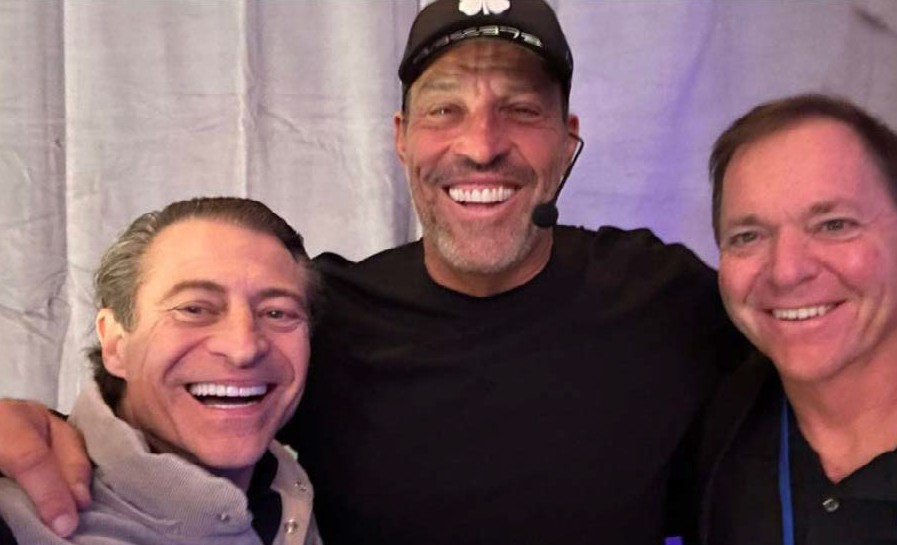
Dr. Bill Kapp (right) created Fountain Health alongside Dr. Peter Diamandis (left), Tony Robbins (center) and Dr. Robert Hariri. The company aims to transform our healthcare system into a proactive and data-driven one, boosting longevity and preempting and treating diseases at earlier stages
It has been a unique opportunity to build this venture together and accelerate our collective vision. We each have our part. Tony knows how to inspire people. Peter has had an amazing career due to his tenacity and gift for showing what the future could be. Bob, on the other hand, is a pure thinker and creator. My contribution is being able to pinpoint the holes in medicine and scale solutions.
Over my life, I’ve had the opportunity to see things from more vantage points than most people in health care. I learned how doctors, hospitals, surgery centers, imaging centers, insurance companies, private practices and electronic health records work.
We’ve learned that we need to increase access to transformative technology and fix the healthcare system from the front end. But there’s no template for what we’re trying to do. We could not copy others and iterate incrementally, like in the traditional hospital business. We have to innovate and adapt continuously and whatever our company was last year, we won’t be the same next year. That’s the challenge but also the appeal.
But here is the good news. It’s working! After looking at the first 1,000 people using our technology, we found that when we detected disease proactively as opposed to following symptom-onset we reduced healthcare costs by about 76%.
Where is the technology today, and where are we headed?
When we started four years ago, we had whole-body MRI technology and whole- genome sequencing, and while we didn’t have artificial intelligence, we had machine learning algorithms. Now we are using AI overlays with advanced cardiac screening and whole-body MRIs. Whole-genome sequencing now costs less than $200. Costs for other tests will come down too. A whole-body MRI could cost about $1,000 within a year or so and later reduce to $500. Costs for coronary computed tomography angiography (CCTA) used in cardiac screening will drop significantly to about $500.
New diagnostics are exploding. We now have the technology to detect disease at its earliest stages and stop it before it advances. We have advanced biomarkers emerging rapidly allowing for highly predictive evidence of disease.

Dr. William Kapp is an orthopedic surgeon and serial entrepreneur who has seen many facets of the healthcare business.
He was disillusioned with the traditional healthcare business due to high costs to patients. With Fountain Life, Dr. Kapp and his team are bringing cutting-edge technology to consumers with the goal of enabling preventive, proactive and personalized care.
Every major institute in the world is working on aging because it is an existential threat to humanity. The real excitement is in therapeutics and regenerative medicine using cellular therapies such as mesenchymal stem cells, exosome therapies, peptide treatments and even Natural Killer cells.
One of our main goals is to democratize access to these technologies, so everyone can use them. We want to get it outside the four walls of the doctor’s office and into communities via easy access points like community centers, hotels and resorts.
We are also working on harnessing 95% of health shaped by lifestyle. For the most part, we aren’t currently measuring that beyond wearables like WHOOP® or the Oura Ring, and we don’t have accessible data that is actionable. Some metrics will change daily like heart rate, sleep scores and step count; some, like biomarkers, will change quarterly based on blood draws; others will change annually based on a whole-body scan. We recently acquired a medical platform to allow wearable data to be combined with medical records and AI with the long-term vision of an app that shows the status of your health at any given time through your digital twin.
“Your body won’t be a mysterious black box you can’t look inside anymore.”
It is amazing how much medicine has progressed. We’ve gone from penicillin to CRISPR-Cas9 in one lifetime. But that’s on the sickcare side. We’re still doing the same physical exam we did in 1924. We’ve done a great job diagnosing and treating disease, but a poor job at providing proactive primary care. Technology will allow us to flip the paradigm to become a resource to stay healthy as opposed to being seen when you are already ill and, undoubtedly, the next generation of providers will have a different perspective on what it is to be a doctor.
What about health in the home and outside the doctor’s office?
Everybody should be the CEO of their own health. This starts in the home. We want to make it an environment where we can collect data passively. We will be measuring air and water quality and optimal lighting. We will additionally collect passive health data from common devices in your home such as a smart bed for sleep quality, a toilet seat to capture blood pressure and heart rate and a weight scale embedded in the bathroom floor in front of your sink. This vital sign data will be combined with environmental data to tailor your health plan. We will be able to use AI-powered refrigerators and cooktops to help optimize your nutrition plan from your healthcare team and show you how to order and prepare food with ease. All of this is designed to close the loop on the 95% of health care that occurs outside the traditional doctor’s office.
As your home becomes a wearable, most primary health care will be delivered there except for intensive scans or testing. That’s when you’d go for an appointment at a high-speed imaging center in your neighborhood, golf course community or fitness center. With the new machines we are acquiring from GE, we are aiming to get scan times down to 35 minutes and hopefully 15 minutes within two years. In your community imaging center, you would be able to get an MRI and a CCTA that allows for detailed 3D images of the arteries in the heart to detect abnormalities in blood flow and even the overall function of the heart. MRI and CCTA testing will be done continuously once a year along with any other testing that could be scheduled through a smartphone app for your convenience.
We want all of this data to be input into one secure, trusted repository of not only health but lifestyle information that will give consumers more insight into their bodies and health. They would also own their health data, which is one of the most valuable types of information a person could have.
How do you get the medical community to buy in?
You don’t. This is the same problem that Jeff Bezos faced when he rolled out the Amazon platform in the late 1990s. When he shared the promise of Amazon in distribution, the reaction was, “Who would use this? Sears already has a distribution platform.” However, it didn’t take long for Amazon to take over and revolutionize the industry causing those not wanting to change to become obsolete and eventually go out of business. Like Amazon, I think we can do this without buy-in from the medical-industrial complex because the people who adapt will have longer, healthier and more vibrant lives.
COVID-19 exposed the underbelly of American medicine. It reminded us how unhealthy people are and how little attention has been paid to prevention. Most COVID-19 deaths were exacerbated by obesity, comorbidities and poor health. Meanwhile, the majority of our medications are symptom-suppressive and don’t treat the root cause of disease.

Dr. Bill Kapp (right) and Lauren Wright (left) presented Olympic-winning gymnast Simone Biles (center) with the 17th Annual Global Wellness Summit Debra Simon Award for excellence in the field of mental health and wellness in November 2023
Doctors, unfortunately, are not trained or paid to keep you healthy either, but I think they’re more open to change after the pandemic. They also tend to stop learning after they finish training as they simply don’t have the time. Generally, they don’t adopt paradigm shifts easily. Medicine also tends to be practiced generationally. Few doctors today are data-savvy, but the next generation of providers is.
Furthermore, millennials and the Gen X population will radically change health care. They want to be able to access their health data on their phones. They don’t understand the current system of accessing care: making an appointment, waiting six weeks to go to the doctor and then another two hours to see them for 10 minutes, which they’re pretty sure they should be able to do on their phone.
Who’s adopting this model now? How do you get more stakeholders on board?
Three stakeholders pay for health care: individuals, businesses and governments. Everybody else is a middleman. We want to show stakeholders a different path forward.
So that’s what we’re doing at our centers with the early adopters—individuals who are interested in their own health and who are out there showing us what’s important to them. It’s an expensive process right now, but the goal is to lower costs. We have signed with a group of 1,000 homes that are being built near Orlando, Florida, with a wellness focus. Every person in the community will get a digital membership embedded in their HOA fees and be able to access the screening and imaging tests.
As the two biggest drivers of health care in the U.S. are heart disease and cancer, we need to improve screening and get better at prediction, which is exactly what we are doing at Fountain Life. Since 70% of people who have a heart attack never have a symptom or warning before their first cardiac event and 70% of people who die from cancer die from a type that can’t be screened for, we need to find ways to get them information before they get sick. We must do this in a way that is affordable and accessible and by providing earlier detection and intervention, we may be able to tackle the 60% of catastrophic health insurance claims currently caused by these health conditions.
On the business front, we’re working with self-insured companies that want to improve the outcomes for their employees. We have a wellness journey that can be added to their current insurance that includes diagnostics and preventive care and could provide health data to help payers predict their needs in the future. For governments, there are opportunities inside Medicare Advantage where we can screen people on the front end.
We are building a system outside traditional health care that keeps you healthy and out of the sickcare system. To this end, we’re launching a digital $3,000-a-year membership that will include quarterly blood work, as well as access to a health coach and other medical and health experts. The Fountain Life centers will enable care that is completely separate and yet parallel to mainstream health care designed to complement, not replace, the sickcare system, which we still need.
If we can keep the patient healthy and keep them out of the sickcare system, we’re aligned with the patient. We’re aligned with the businesses. And we’re aligned with the governments. We will have the first contact with these patients to not only keep them healthy and create that relationship but also guide them if they need further intervention.
How do we change the financial models underpinning medicine in the U.S.?
We have to get in front of the problem to fix it. This is a long-term project. Our system is broken, and it is part of the problem. Big Pharma makes more money the more prescriptions are written. Hospitals make more money the more people are in beds. Having been in health care for 30 years, I have yet to see a proactive healthcare system. Health companies often have an innovation division. But the latest developments often die a miserable death in the doctor’s lounge. Because until you can change the incentive process for the clinician, they will continue business as usual.
The average primary care practice generates about $1.1 million in net revenue per year. Physicians get paid about $200,000 a year on average. But that leaves $900,000 in unnecessary overhead and administration. We have clinicians on a conveyor belt that they can’t get off. They have 40 patients per day, giving rushed, fragmented and rationed care, yet administrators are telling them they aren’t productive enough.
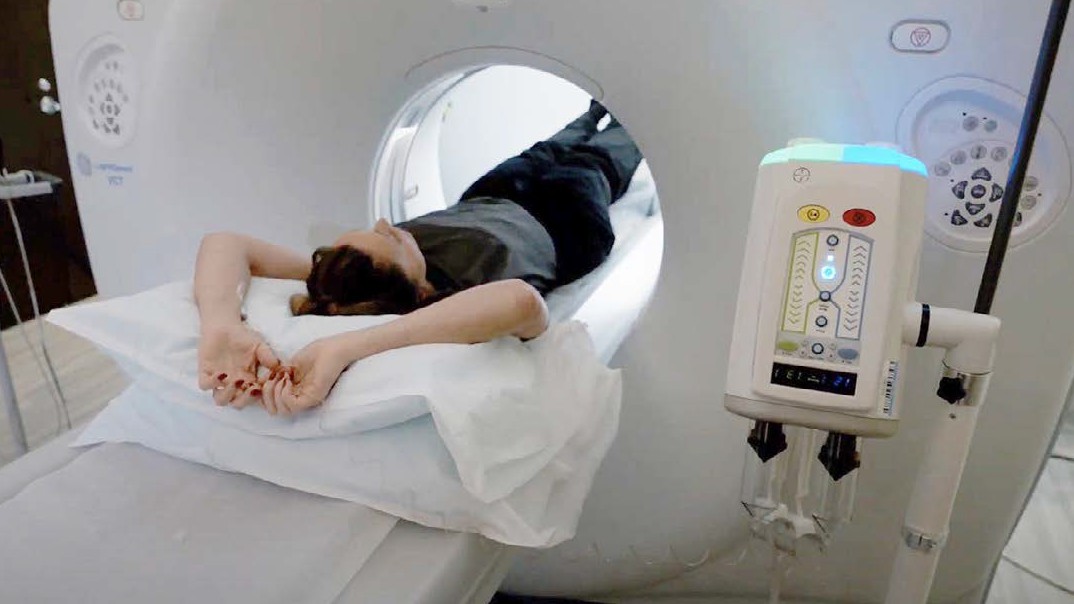
Dr. Bill Kapp believes that diagnostics such as whole-body MRIs, coronary computed tomography angiography, biomarker testing and whole-genome sequencing can help detect disease at its earliest stages and stop it before it advances
The United States cannot sustain its healthcare spending. Taking care of our aging population will be even more resource intensive. Without change, we’ll have two choices: ration health care even further or legalize euthanasia, which is now being used in rare cases in countries with universal health care. We are here because we’re waiting until late-stage disease happens. But if we can match your lifespan with your healthspan and give you back your last decade of life with health, you can have a robust life until maybe the last two to three months of it.
How do we usher in change?
Last year, suicide became the number one cause of death among physicians. We take some of the best and brightest minds and put them in untenable situations where they’re destined to fail. Then we wonder why they’re all burned out. It’s because we’re making them use an archaic medical record system that has more to do with billing than patient care. They’re lorded over by administrators. There has been a 3,000% increase in administrators compared to doctors in the last 40 years. That’s where the bloat of the system is.
Rather than replacing the doctors, we need to give them the tools to manage data and information with AI that will help them provide better care and spend more time with patients. At Fountain Life, our doctors work via telemedicine and spend up to an hour with each individual. You also need a different payment model to incentivize better care. That’s what we do at Fountain Life.
The sooner the system takes full risk and bears the total costs, the sooner insurers will be incentivized to detect disease earlier and change clinician payments. Doctors will go from symptom suppression to proactive prevention via telemedicine. When doctors see the ability of the new tech, they gravitate toward it, especially when the economics are favorable.
We don’t want Fountain Life to be the only company doing this. We’d love to see 15 or 16 other startups doing the same thing to build momentum for real change. That’s where the incentive has to start: paying providers better to keep people healthy rather than treating them when they’re sick.
Looking toward the future, where do you see things 10 to 20 years from now?
A decade from now, you will have a digital AI on your phone that will collect data passively in the home and from your activities, food intake and lifestyle. You’ll have your own personal ChatGPT to analyze that data and give you tips on health throughout the day.
There is a big movement toward wellness overall. Food and water quality will be front and center, especially with technologies like vertical farming and cellular food. Wellness real estate is expanding rapidly in the United States and across the globe.
We want to harness technology to achieve high-performance aging giving you 10 to 20 more healthy years: 100 will be the new 60. The good news is that this is possible now if you can keep people’s hormone levels, peptide levels and muscle mass normal and cognitive function high. Otherwise, we lose so much intellectual power by warehousing our elderly and watching them decline.
The paradigm shift in health care will happen. We need to inspire the next generation of doctors to be passionate about this change, and they will help usher in the future. How fast it happens depends on the incentive models and demand. Ultimately, even the most rigid parts of the system will succumb.
This interview has been edited for length and clarity.
If you have any questions or feedback, please contact: curalink@thecurafoundation.com
Newsletter created by health and science reporter and consulting producer for the Cura Foundation, Ali Pattillo, consulting editor, Catherine Tone and associate director at the Cura Foundation, Svetlana Izrailova.